


Vitamins Image

Boost Immunity and Energy with the Right Vitamins

Vitamins are essential nutrients that play a crucial role in maintaining overall health and well-being. These natural compounds help the body perform vital functions, including boosting immunity, supporting energy production, and promoting healthy skin, hair, and bones. While our bodies need only small amounts of vitamins, their impact on health is significant, making them indispensable for daily nutrition.

Vitamins are categorized into two main types: fat-soluble, such as vitamins A, D, E, and K, which are stored in the body, and water-soluble, including vitamin C and the B-complex vitamins, which must be replenished regularly through diet. Consuming a balanced diet rich in fruits, vegetables, whole grains, dairy, and lean proteins ensures that the body receives all the necessary vitamins for optimal function. Understanding the role and benefits of vitamins can help individuals make informed choices to enhance their health naturally.

Get Started Now
Download Guide
Book a Session

What Are Vitamins?

Vitamins are natural compounds that are essential for the body’s normal growth, development, and overall health. They are micronutrients, which means the body requires them in small amounts, yet their impact on health is enormous. Vitamins help regulate numerous bodily functions, including metabolism, immune system performance, energy production, and tissue repair. Without adequate vitamins, the body may experience deficiencies that can lead to fatigue, weakened immunity, poor bone health, and other health issues.

Vitamins are classified into two main types: fat-soluble and water-soluble. Fat-soluble vitamins, including vitamins A, D, E, and K, are stored in the body’s fat tissues and liver, making them available for longer periods. Water-soluble vitamins, such as vitamin C and the B-complex vitamins, dissolve in water and must be regularly obtained through diet since the body cannot store them. Each vitamin has a unique role; for example, vitamin A supports vision, vitamin D promotes bone strength, vitamin C boosts immunity, and B vitamins aid in energy production and brain function.

Incorporating a variety of vitamin-rich foods such as fruits, vegetables, whole grains, dairy, and lean proteins ensures that the body receives all the essential vitamins it needs. Understanding what vitamins are and their vital roles can empower individuals to make healthier dietary choices for long-term wellness.


Vitamins-web

Types of Vitamins and Their Functions

Vitamins are essential nutrients that the body requires to function properly, and each type of vitamin plays a unique role in maintaining overall health. Broadly, vitamins are classified into fat-soluble and water-soluble categories, based on how the body absorbs and stores them. Understanding the different types of vitamins and their functions can help individuals maintain a balanced diet and prevent nutrient deficiencies.

1. Fat-Soluble Vitamins
These vitamins dissolve in fat and can be stored in the liver and fatty tissues for later use. They include:

  • Vitamin A – Supports vision, strengthens the immune system, and promotes healthy skin and cell growth.
  • Vitamin D – Enhances calcium absorption, improves bone and teeth health, and boosts immunity.
  • Vitamin E – Acts as an antioxidant, protecting cells from damage and supporting skin and hair health.
  • Vitamin K – Essential for blood clotting and maintaining strong bones.

2. Water-Soluble Vitamins
These vitamins dissolve in water and must be consumed regularly, as the body does not store them. They include:

  • Vitamin C – Strengthens immunity, aids in collagen production, and acts as a powerful antioxidant.
  • B-Complex Vitamins – A group of vitamins that includes B1 (Thiamine), B2 (Riboflavin), B3 (Niacin), B5 (Pantothenic Acid), B6 (Pyridoxine), B7 (Biotin), B9 (Folate), and B12 (Cobalamin). They support energy production, brain function, red blood cell formation, and metabolism.

By incorporating a variety of vitamin-rich foods into your diet, you can ensure that your body receives all the essential vitamins needed for optimal health and well-being. Understanding the types of vitamins and their functions is a key step toward achieving a healthier lifestyle.

Vitamins-web

Natural Sources of Vitamins

Vitamins are essential nutrients that our body cannot produce in sufficient amounts, making it important to include vitamin-rich foods in our daily diet. Consuming a variety of natural foods ensures that the body receives all the necessary vitamins for energy, immunity, healthy skin, strong bones, and overall well-being. Incorporating these foods into your meals is one of the most effective ways to maintain optimal health naturally.


1. Fruits
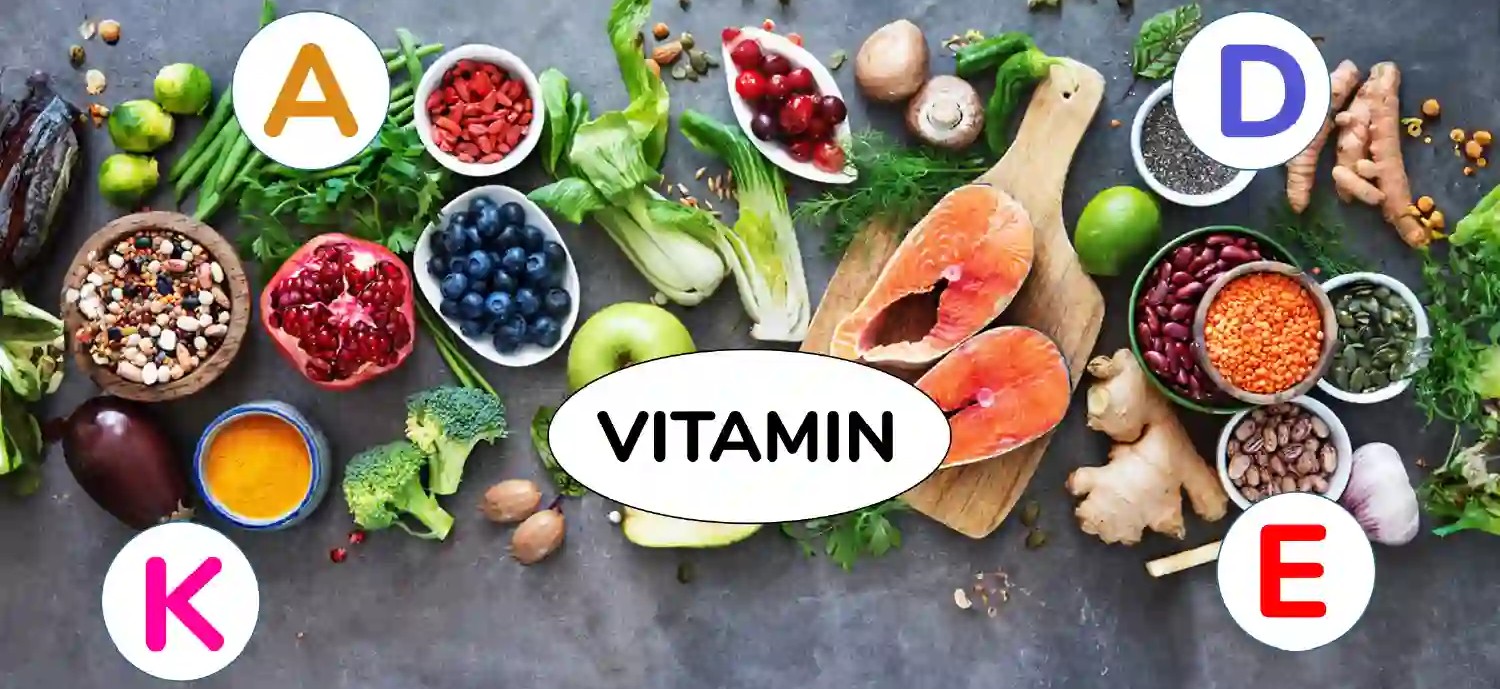
Fruits are an excellent source of vitamins, especially vitamin C and several B-complex vitamins. Citrus fruits like oranges, lemons, and grapefruits boost immunity and support skin health. Bananas provide vitamin B6 for energy metabolism, while berries are rich in antioxidants and vitamin C.


2. Vegetables
Vegetables are loaded with essential vitamins such as vitamin A, C, K, and folate. Leafy greens like spinach and kale are rich in vitamins A, C, and K, supporting vision, immunity, and bone health. Carrots and sweet potatoes are excellent sources of vitamin A, while broccoli and bell peppers provide vitamin C.


3. Dairy Products
Milk, cheese, and yogurt are great sources of vitamin D and B-complex vitamins, which promote strong bones, teeth, and overall energy metabolism.


4. Meat, Fish, and Eggs
Lean meats, fish, and eggs provide essential vitamins like B12, B6, and vitamin D. Fish such as salmon and mackerel are particularly rich in vitamin D, which supports bone and immune health.


5. Nuts and Seeds
Almonds, sunflower seeds, and walnuts provide vitamin E, which acts as a powerful antioxidant supporting skin and cell health.


Including a wide variety of natural sources of vitamins in your diet ensures that your body receives the essential nutrients it needs for optimal function, energy, and long-term health.

Signs of Vitamin Deficiency

Vitamins are essential nutrients that play a vital role in keeping the body healthy and functioning properly. A deficiency in vitamins can lead to various health problems, some of which may develop gradually and go unnoticed. Understanding the signs of vitamin deficiency can help individuals detect potential issues early and take steps to restore optimal nutrition. Deficiencies often occur due to poor diet, medical conditions affecting absorption, certain medications, or lifestyle factors.

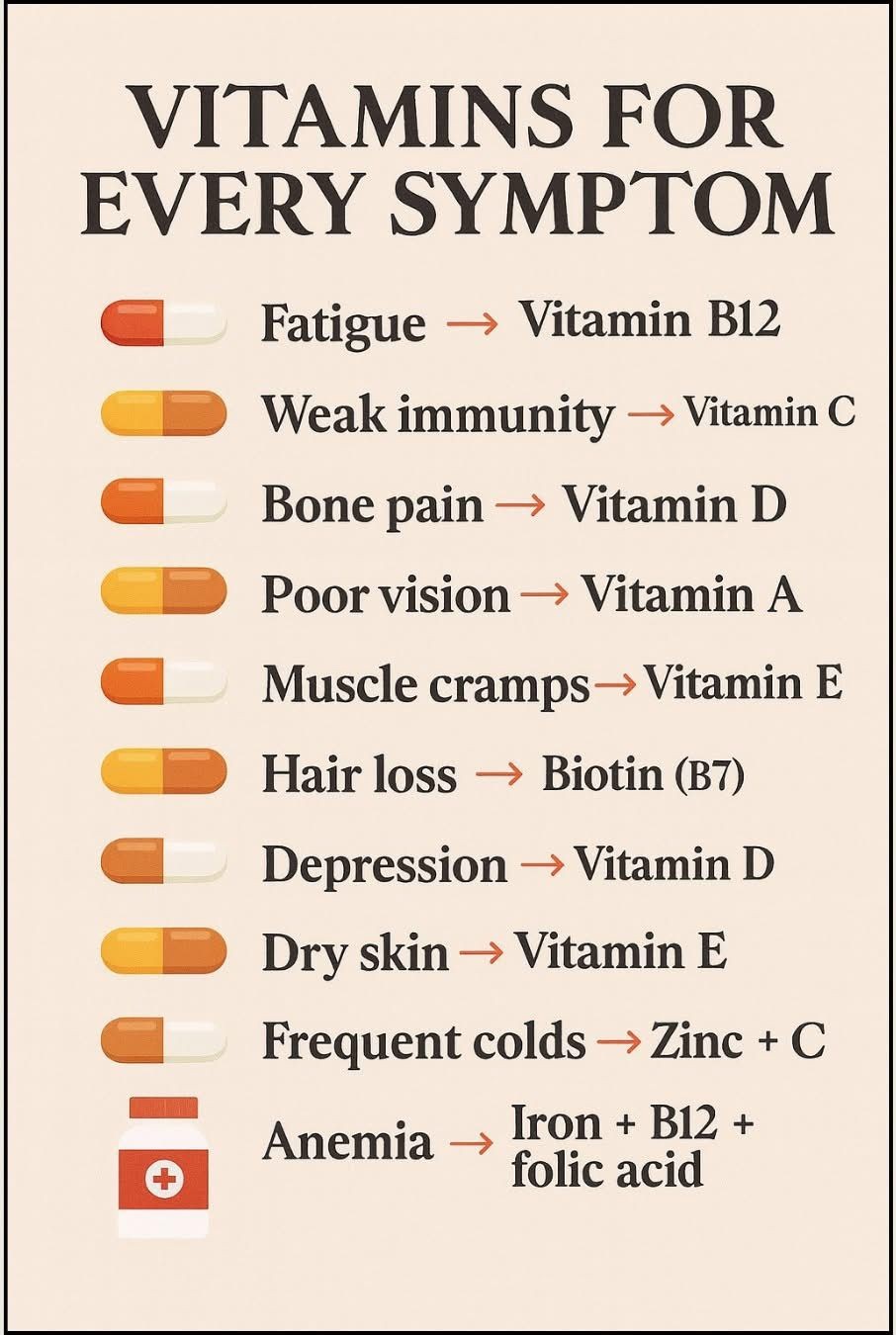
1. Fatigue and Weakness
Insufficient B-complex vitamins, particularly B12, can lead to chronic fatigue, low energy, and weakness. A lack of vitamin D can also cause muscle weakness and joint discomfort, reducing overall physical performance.

2. Weak Immune System
Vitamins C, D, and A are crucial for immune health. Low levels may result in frequent infections, prolonged illnesses, slower wound healing, and increased susceptibility to colds and flu.

3. Skin, Hair, and Nail Issues
Deficiencies in vitamins such as A, E, and biotin (B7) can cause dry, flaky skin, hair thinning or hair loss, brittle nails, and slow-healing wounds. Vitamin C deficiency may also lead to skin bruising and gum problems.

4. Bone and Joint Problems
Vitamin D and K deficiencies can weaken bones, increase the risk of fractures, cause bone pain, and contribute to conditions like osteoporosis. Low calcium absorption due to vitamin D deficiency can also lead to joint stiffness and discomfort.

5. Cognitive and Mood Changes
A lack of B vitamins, especially B12 and folate, may lead to memory issues, difficulty concentrating, mood swings, depression, and irritability. These vitamins are crucial for brain health and nerve function.

6. Vision Problems
Vitamin A deficiency can cause night blindness, dry eyes, and reduced vision quality. Over time, severe deficiency may even affect eye health permanently.

7. Digestive and Appetite Issues
Some vitamin deficiencies can cause poor digestion, loss of appetite, nausea, and bloating. For example, low levels of B1 (thiamine) may lead to digestive discomfort and nutrient absorption issues.

8. Delayed Growth and Development
In children, insufficient vitamins such as vitamin D, A, or B-complex can result in delayed growth, weak bones, and developmental delays. Adequate vitamins are critical for proper growth and overall health.

Recognizing these signs of vitamin deficiency early is crucial for maintaining good health. A balanced diet rich in fruits, vegetables, whole grains, lean proteins, and dairy, or taking supplements when necessary, can help prevent deficiencies and ensure the body receives all essential vitamins for energy, immunity, and overall vitality.

Vitamins-web

How to Get Enough Vitamins

Getting enough vitamins is essential for maintaining optimal health, supporting immunity, boosting energy, and ensuring the proper functioning of the body. A well-balanced diet is the most effective way to obtain all the necessary vitamins naturally. Including a variety of nutrient-rich foods in daily meals ensures the body receives adequate amounts of both fat-soluble and water-soluble vitamins.

1. Eat a Variety of Fruits and Vegetables
Fruits and vegetables are rich in vitamins such as A, C, K, and several B-complex vitamins. Citrus fruits, berries, leafy greens, carrots, and bell peppers provide a wide range of nutrients that support immunity, skin health, and overall wellness. Consuming at least five servings of fruits and vegetables daily is recommended for optimal vitamin intake.

2. Include Whole Grains and Legumes
Whole grains, beans, and lentils are excellent sources of B vitamins and folate, which help in energy production and brain function. Regularly including these foods can prevent fatigue and cognitive issues associated with vitamin deficiency.

3. Incorporate Dairy, Meat, and Fish
Milk, cheese, yogurt, eggs, lean meats, and fatty fish provide essential vitamins like D, B12, and B6. These vitamins are crucial for bone health, red blood cell formation, and overall metabolism. Fatty fish such as salmon and mackerel are particularly beneficial for vitamin D.

4. Add Nuts and Seeds
Almonds, sunflower seeds, and walnuts are rich in vitamin E, a powerful antioxidant that protects cells and supports healthy skin.

5. Consider Supplements if Needed
In cases where dietary intake is insufficient, vitamin supplements may help meet daily requirements. However, a balanced diet should always be the primary source of vitamins.

By following these strategies, you can ensure your body gets all the essential vitamins needed for energy, immunity, and long-term health, naturally and safely.

Health Benefits of Vitamins

Vitamins are essential nutrients that play a vital role in maintaining overall health and well-being. They contribute to the proper functioning of the body, supporting immunity, energy production, and growth. Incorporating a variety of vitamins through a balanced diet can help prevent deficiencies and promote long-term health.

1. Boost Immunity: Vitamins such as C, D, and A strengthen the immune system, helping the body fight infections and recover faster. Vitamin C, found in citrus fruits and berries, enhances immune cell function, while vitamin D supports the production of infection-fighting proteins.

2. Support Energy Production: B-complex vitamins, including B1, B2, B3, B6, and B12, play a crucial role in converting food into energy. They help the body metabolize carbohydrates, fats, and proteins efficiently, keeping energy levels steady throughout the day.

3. Promote Healthy Skin, Hair, and Nails: Vitamins A, C, and E are essential for maintaining healthy skin and hair. Vitamin A supports skin cell regeneration, vitamin C aids collagen production, and vitamin E acts as an antioxidant, protecting skin cells from damage.

4. Strengthen Bones and Teeth: Vitamin D and K are vital for bone health. Vitamin D enhances calcium absorption, while vitamin K supports bone mineralization, reducing the risk of fractures and osteoporosis.

5. Enhance Brain Function and Mood: B vitamins and vitamin D contribute to proper brain function, improving memory, focus, and mood regulation. Adequate vitamin intake may reduce the risk of cognitive decline and support mental well-being.

6. Provide Antioxidant Protection: Vitamins like C and E act as antioxidants, protecting the body from harmful free radicals, reducing inflammation, and supporting overall cellular health.

Incorporating a wide range of vitamins into your diet ensures your body functions optimally, enhances vitality, and promotes long-term health naturally.

Conclusion

Vitamins are essential nutrients that play a critical role in maintaining overall health and well-being. They support vital functions in the body, including boosting immunity, enhancing energy production, improving brain function, and promoting healthy skin, hair, and bones. A deficiency in vitamins can lead to various health issues, ranging from fatigue and weakened immunity to cognitive problems and poor bone health.

The best way to ensure you get enough vitamins is through a balanced and varied diet that includes fruits, vegetables, whole grains, dairy, lean meats, fish, nuts, and seeds. Each food group provides unique vitamins that work together to support your body’s optimal function. In cases where diet alone may not meet daily requirements, vitamin supplements can help fill the gaps under proper guidance.

Understanding the importance of vitamins and incorporating vitamin-rich foods into your daily routine can help you maintain energy, prevent deficiencies, and enhance overall health naturally. By prioritizing vitamins in your diet, you can enjoy a stronger immune system, healthier body, and improved quality of life for years to come.

FAQs About Vitamins

1. What are vitamins and why are they important?

Vitamins are essential nutrients that the body requires in small amounts to function properly. They help with energy production, immunity, brain function, bone health, and overall well-being. Without adequate vitamins, the body can develop deficiencies that lead to fatigue, weak immunity, skin problems, and other health issues.


2. How many types of vitamins are there?

There are two main types of vitamins: fat-soluble (A, D, E, K) and water-soluble (C and B-complex vitamins). Fat-soluble vitamins are stored in the body’s fat and liver, while water-soluble vitamins need to be replenished regularly through diet.


3. What are the main sources of vitamins?

Vitamins are found in a variety of foods. Fruits, vegetables, whole grains, dairy, lean meats, fish, nuts, and seeds provide essential vitamins for immunity, energy, skin health, and overall wellness.


4. Can I get all vitamins from my diet?

Yes, a well-balanced diet that includes diverse foods can provide most essential vitamins. However, some individuals may require supplements due to deficiencies, medical conditions, or dietary restrictions.


5. What are the signs of vitamin deficiency?

Common signs include fatigue, weak immunity, hair loss, brittle nails, skin issues, bone pain, vision problems, and difficulty concentrating. Each deficiency corresponds to the lacking vitamin.


6. What is the role of vitamin A?

Vitamin A supports vision, immune function, and healthy skin. It can be found in carrots, sweet potatoes, leafy greens, and liver. A deficiency may lead to night blindness and dry skin.


7. How does vitamin C benefit the body?

Vitamin C boosts immunity, supports collagen production for healthy skin, and acts as an antioxidant. It is abundant in citrus fruits, berries, and bell peppers.


8. Why is vitamin D important?

Vitamin D helps the body absorb calcium, strengthens bones and teeth, and supports immune health. Sunlight exposure and foods like fatty fish, eggs, and fortified dairy provide vitamin D.


9. What are B-complex vitamins?

B-complex vitamins include B1, B2, B3, B5, B6, B7, B9, and B12. They help convert food into energy, support brain function, produce red blood cells, and maintain a healthy nervous system.


10. Can vitamins improve energy levels?

Yes, vitamins, especially B-complex vitamins, play a vital role in energy metabolism. Adequate intake can reduce fatigue and enhance physical and mental performance.


11. Are fat-soluble vitamins better than water-soluble vitamins?

Both types are important. Fat-soluble vitamins (A, D, E, K) are stored in the body, while water-soluble vitamins (C and B-complex) need regular intake. Balance is key for optimal health.


12. Can too many vitamins be harmful?

Yes, excessive intake, particularly of fat-soluble vitamins, can lead to toxicity and health issues. It’s essential to follow recommended daily allowances and consult a healthcare professional before taking supplements.


13. What vitamins are important for skin health?

Vitamins A, C, and E are crucial for skin health. They promote collagen production, prevent oxidative damage, and help maintain healthy, radiant skin.


14. Which vitamins help boost immunity?

Vitamins C, D, and A, along with zinc and B-complex vitamins, strengthen the immune system, helping the body fight infections and recover faster.


15. How can I know if I need vitamin supplements?

A healthcare professional can assess your diet, lifestyle, and blood tests to determine if supplements are needed. Supplements are helpful when dietary intake is insufficient or in cases of deficiency.


16. Can children get enough vitamins from food?

Yes, children can get essential vitamins from a balanced diet including fruits, vegetables, dairy, whole grains, and protein sources. Supplements are only needed if deficiencies are identified.


17. How do vitamins affect brain function?

Vitamins, especially B-complex and D, support neurotransmitter production, improve memory, focus, and mood regulation, and reduce the risk of cognitive decline.


18. Are natural sources of vitamins better than supplements?

Natural sources are generally better as they provide additional nutrients and fiber. Supplements are useful when dietary intake is insufficient or specific deficiencies are identified.


19. Can vitamins help with bone health?

Yes, vitamins D and K, along with calcium, are crucial for bone strength and preventing fractures or osteoporosis. A diet rich in these nutrients supports long-term skeletal health.


20. How often should I consume vitamins?

Water-soluble vitamins need to be consumed daily through food, while fat-soluble vitamins can be stored and do not require daily intake in large amounts. Regular, balanced consumption is key for overall health.